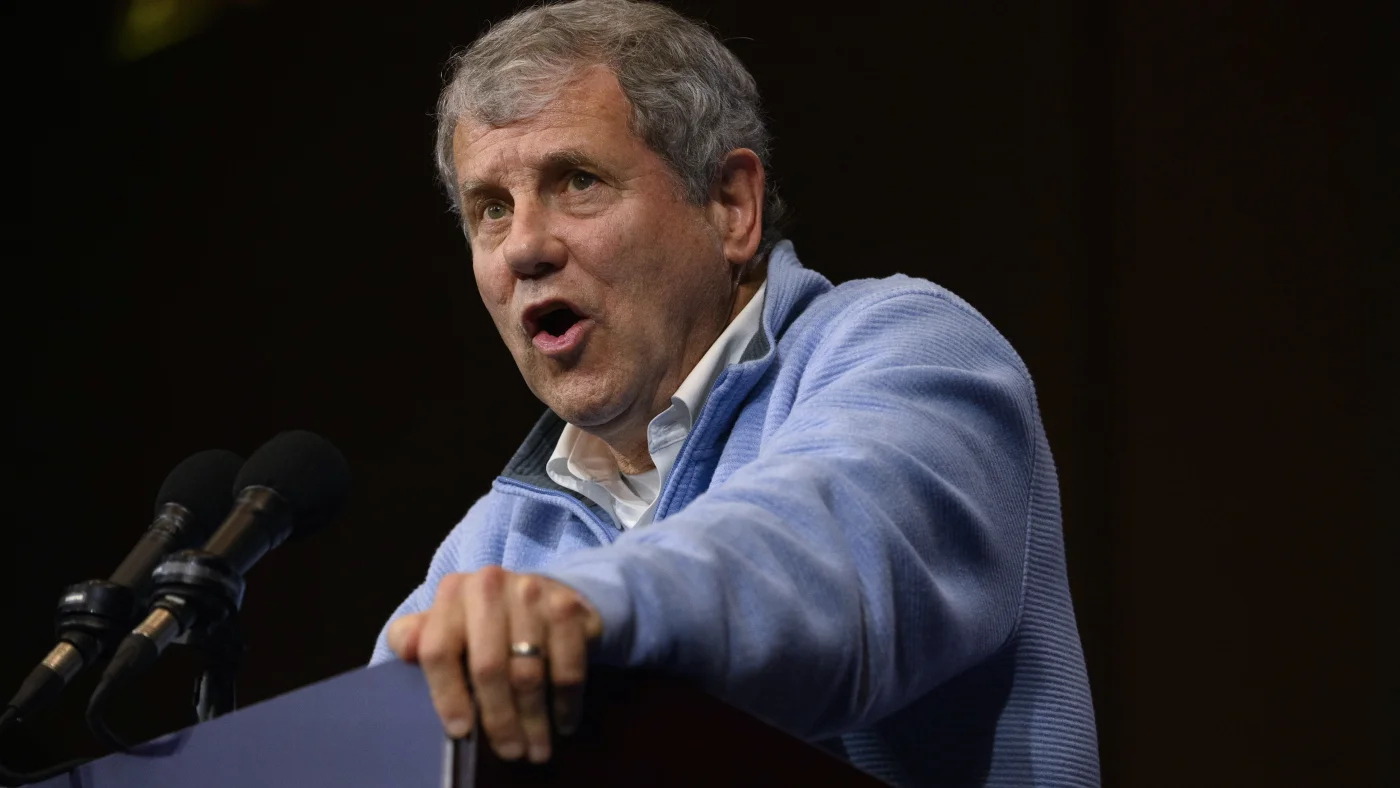
Former Democratic U.S. Sen. Sherrod Brown has won back a seat on Capitol Hill, defeating incumbent Republican Sen. Jon Husted after a closely watched and expensive campaign. The victory marks a notable political comeback, making Brown the seventh former U.S. senator since 1946 to lose a seat and subsequently return to the chamber.
Brown previously served three terms representing Ohio before losing his seat to Bernie Moreno in 2024 during an election cycle recorded as one of the most expensive non-presidential races in U.S. history. Husted, who took office after being appointed by Gov. Mike DeWine to fill the vacancy created when JD Vance assumed the vice presidency, was seeking his first elected term in the Senate following a lengthy career in Ohio state government.
High Stakes and Big Spending
Ohio has operated largely as a Republican stronghold in recent federal cycles, with Donald Trump carrying the state in three consecutive presidential elections. However, Brown’s long-standing name recognition and strong ties to organized labor kept public polling tight throughout the year, drawing national attention as political observers weighed broader shifts in voter sentiment.
The contest proved to be one of the costliest Senate matchups in the country. Combined fundraising for the two candidates exceeded $80 million, while total expenditures by the campaigns and affiliated outside groups surpassed $422 million by mid-October. Airwaves across the state were heavily saturated, with advertising tracking showing significant investments from both major parties.
Key Campaign Debates
Campaign messaging centered on economic affordability, health care expenses, global developments, and localized infrastructure issues. A frequent focal point of economic debate was the rapid expansion of data centers across the state. Brown repeatedly brought attention to state-level development deals, criticizing Husted's past involvement with large-scale industrial projects during his tenure as lieutenant governor.
Both candidates maintained relatively low-profile campaign schedules during the early months before expanding their public appearances near the end of the race. High-profile national figures made appearances in the state ahead of Election Day to rally voters and boost turnout on both sides of the aisle.
Reactions among local residents reflected a mixture of relief at the conclusion of an intense political season and enthusiasm regarding the outcome. "I'm so fucking proud of everyone right now holy shit," wrote one supporter following the results. "There's a ton of work to do, but the people have spoken." Others expressed satisfaction with the end of non-stop campaign advertising, with one voter noting, "So glad these ads are done."
Because the election was held to complete the remainder of the term originally won by Vance, Brown is scheduled to serve a two-year term before the seat comes up for reelection again.

