


Curio Campaigns
Six campaigns testedFree to startBrowser first

History you can command, one turn of the map at a time

We play long. Weeks on a 1914 front, months raising villages towards a wonder, evenings nudging a Bronze Age town into Rome. Curiocampaigns is a small desk of history readers who review free browser strategy games by living inside them, then tell you which campaign suits your temperament and your week.

6games reviewed in depth
3real-time war maps, 1914 to today
3builders that climb the ages
2long guides for new commanders
MarlowePull up a chair, the map’s already moving.
Marlowe, the Curiocampaigns guide
Call of War
#1 · Start here
8.0of 10
The campaign we open first

Call of War

Call of War is the one we hand to friends who say they’ve always fancied grand strategy but never had the nerve. It runs in real time on a world map, it rewards patience over reflexes, and it lets you be useful to an alliance within days.

Second World War settingFour doctrines shape your forcesRounds run over weeks of real time

Every round begins with a nation, a few provinces and a lot of empty fog. From there you build factories, start research that ticks along in real minutes and hours, and move infantry, tanks, aircraft and ships across a map that keeps living while you sleep. The doctrine system gives each country a character: some armies hit harder but cost more, others win by sheer weight of numbers. What sold us is how readable it all is. You can check in over breakfast, queue a few orders, and come back at lunch to see whether the plan held.

The six on our map table

Six campaigns from the Stone Age to the situation room

Three of these games are real-time war maps from the same family of studios, each set in a different century. Three are builders that carry a settlement through the ages. Together they cover most of what a history-minded strategist could want, from Gaulish palisades to modern coalitions, and every one of them starts free in the browser.

Call of WarStart here01
WW2 real-time strategy

Call of War

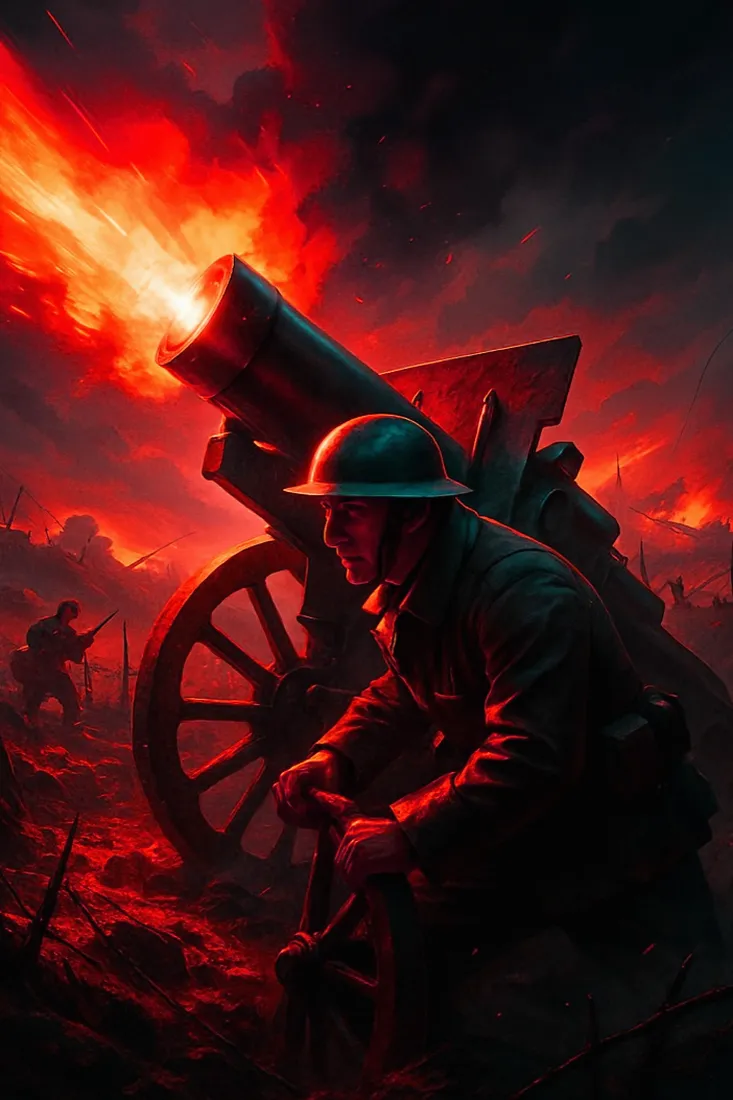
A Second World War campaign that runs in real time on a persistent map. Build an economy, research new equipment and move land, air and naval forces against human rivals. Four doctrines give every nation a distinct feel, and rounds stretch over weeks, so a few check-ins a day are enough to fight a proper war.

Combined forcesPersistent mapAlliances
Desktop browser; mobile app also available
Historical texture8
Strategic depth9
Free-player footing7
Fits a working week8
Supremacy 1914Diplomat’s choice02
WWI grand strategy

Supremacy 1914

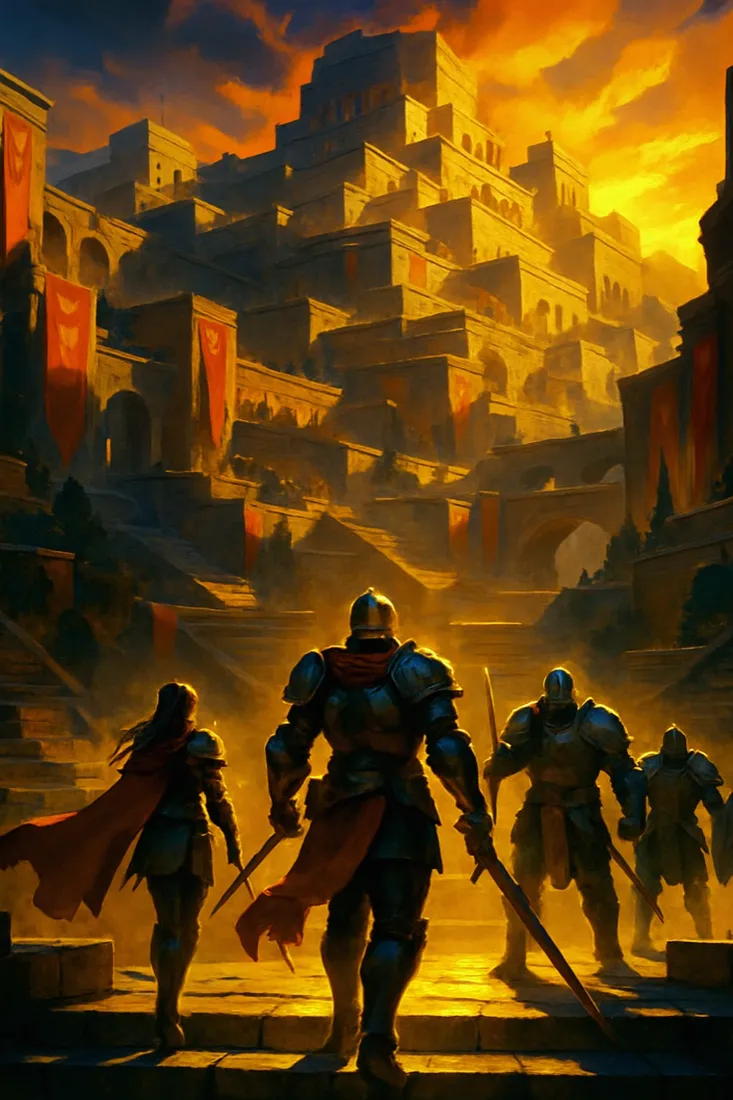
A First World War campaign on a real-time map of Europe and beyond. Keep provincial morale up so your economy produces, raise and move armies, and above all negotiate. Pacts, coalitions and the occasional betrayal shape every round, and an in-game newspaper turns the war into a running story.

Real-time mapEconomy & armiesDiplomacy
Desktop browser; mobile app also available
Historical texture9
Strategic depth8
Free-player footing7
Fits a working week7
Rise of CulturesCalmest builder03
Ancient city builder

Rise of Cultures

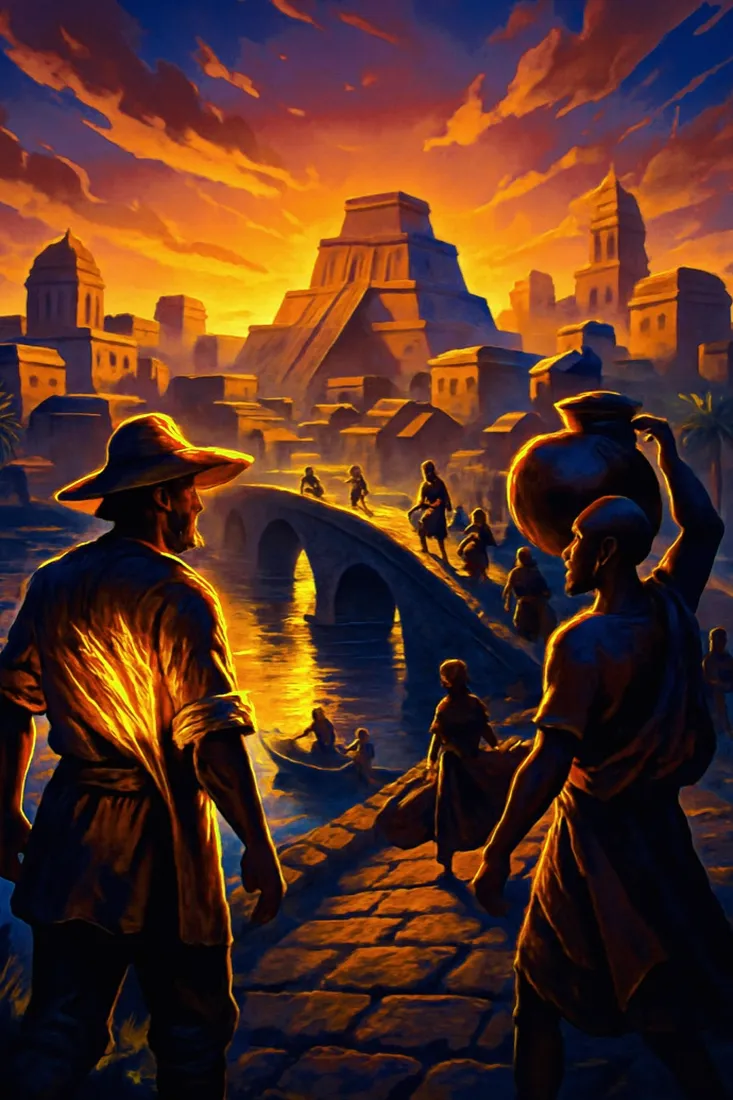
One city, carried from the Stone Age through the Bronze Age and on into the great cultures of the ancient and medieval world. Lay out districts, keep production chains fed, research your way into the next era and settle short strategic battles. It is the gentlest campaign on our list and a lovely walk through history.

Age progressionProduction chainsStrategic PvE battles
Desktop browser; mobile app also available
Historical texture8
Strategic depth6
Free-player footing7
Fits a working week9
TravianLong-haul classic04
Ancient strategy MMO

Travian

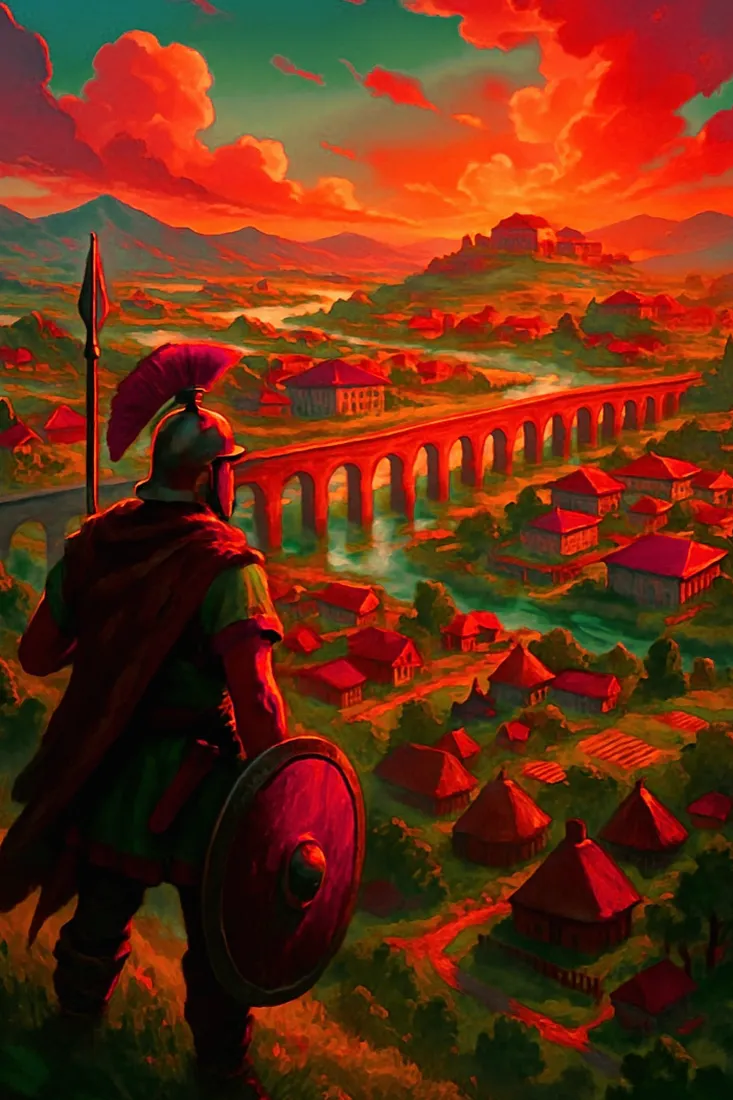
One of the browser’s longest-running strategy games. Choose a tribe such as the Romans, Gauls or Teutons, grow villages on wood, clay, iron and crop, and band together with an alliance. The round’s great goal is a Wonder of the World, and getting there takes months of patient teamwork.

Village buildingTribe choiceAlliance goals
Desktop browser; mobile app also available
Historical texture7
Strategic depth8
Free-player footing6
Fits a working week6
Heroes of HistoryMost playful05
Hero squad builder

Heroes of History

A time-travelling empire builder that grows a Stone Age settlement into a great city while you gather more than seventy heroes from history and myth. Albert Einstein guides the campaign, and battles turn on squad choice, positioning and well-timed abilities. Bright, cheerful and surprisingly thoughtful.

City through erasHero squadsSquad battles
Desktop browser; mobile app also available
Historical texture6
Strategic depth7
Free-player footing7
Fits a working week8
Conflict of NationsModern theatre06
Modern grand strategy

Conflict of Nations

A contemporary war map played in real time against dozens of other players. Command a modern nation, research a present-day arsenal, manage morale and the economy, and build coalitions that might hold together for the length of a campaign. Three doctrines change how your forces fight, and every move needs thinking several steps ahead.

Real-time world mapModern arsenalCoalitions
Desktop browser; mobile app also available

Historical texture6
Strategic depth9
Free-player footing6
Fits a working week6
Filter, sort and search all six →
Marlowe’s era finder

Which century should you march into first?

Three quick questions about the history that pulls you, how you like to play and how much of your week a campaign may borrow. We match the answers to the game that suits you best.

Marlowe
How the desk plays

Why our reviews take a whole campaign to write

Grand strategy reveals itself slowly. A first evening tells you about the interface; the third week tells you whether the game is any good. So we play full rounds where rounds exist, keep notes on what actually happened, and score each title against the same four questions.

01

We start as a newcomer, not a veteran

Each reviewer creates a fresh account and plays the opening days without guides, forums or wikis. That is how most readers will meet the game, so it is how we judge the tutorial, the early economy and whether the first map makes sense. Only after a week do we read up, compare notes and test the deeper systems everyone talks about.

fresh accountsno guides at firstfirst-week notes
02

We see a campaign through to its end

For the war maps that means finishing rounds, including the ones where our nation was overrun by a neighbour with better timing. For the builders it means pushing well past the opening eras. Endings matter: a game that is lovely for ten days and miserable for forty deserves to have that said plainly, and we cannot say it without getting there.

full roundslate-game checkshonest losses
03

We read the history as well as the game

Most of the desk came to these games through books rather than the other way round. We look at how each title treats its period: whether the 1914 map feels like 1914, whether a Roman era plays differently from a Bronze Age one, whether named historical figures are given any texture. Accuracy is not everything, but care shows.

period texturemap readinghistorical care

Who pays for the coffee on this desk

Some of the buttons that send you to a game are partner links, and that helps keep the lights on. They never decide a score or a ranking: every number on a review is argued out at the desk, and we would rather send you to the right campaign than the most rewarding one for us. When a game asks free players for too much patience, we say so on the page.

Pick your temperament

Six ways to command a piece of the past

Strategists come in types. Some love a ledger, some love a letter, some just want to watch a town grow. Find the one that sounds like you.

general

The front-line general of 1942

You like a map with arrows on it. You want tanks, aircraft and ships moving at believable speeds, research that unlocks the next answer to the enemy, and an alliance chat that buzzes when the front breaks. Call of War gives you all of that without asking you to stare at it all day.

Call of War →
diplomat

The ambassador with a pen in each hand

For you the war is mostly won in the letters. Supremacy 1914 rewards the player who keeps three neighbours friendly, reads the in-game newspaper for clues and knows exactly when a pact has outlived its use. The guns matter, but the conversation matters more.

Supremacy 1914 →
planner

The patient town planner

You enjoy fitting buildings together, watching production chains settle into rhythm and seeing the skyline change when a new era arrives. Rise of Cultures lets you shape one city through the ages at your own speed, with short battles to break up the building.

Rise of Cultures →
chieftain

The chieftain who thinks in seasons

You are happy to play a long game with a band of allies, choosing a tribe, trading wood and clay, and working for months towards a single shared goal. Travian asks for steady attention rather than long sessions, and repays it with genuine camaraderie.

Travian →
collector

The collector of famous company

You want Joan of Arc and Nikola Tesla in the same squad and you are not sorry about it. Heroes of History mixes a time-travelling city builder with battles where hero abilities and positioning decide the day. It is the most playful game on our list.

Heroes of History →
analyst

The analyst in the modern situation room

You read defence news for fun and wonder how a coalition would really hold together. Conflict of Nations puts a contemporary arsenal on a world map in real time, with doctrines that change how your forces fight and an economy that punishes overreach.

Conflict of Nations →
Compare

Two campaigns, one honest table

vs
Questions from the reading room

What new commanders ask us most often

No. All six run in a desktop browser, and each also has a mobile app if you would rather check your front from the sofa. Several of them let one account move between browser and phone, which is handy for real-time maps: plan properly at the desk in the evening, then make a quick adjustment on your commute without losing the thread.

They are free to start and free to keep playing. Each one sells an optional premium currency that speeds things up or adds convenience. Our Free-player footing score tells you how comfortable it feels to play without paying. In the war maps, patience and good diplomacy go a long way; in the builders, timers are the main thing money shortens.

More than you might expect, though these are games rather than textbooks. You will get a feel for geography, for why certain nations struggled on certain fronts and for the rhythm of eras. Treat them as a doorway. Plenty of us at the desk have closed a session and reached straight for a book about the period.

Rise of Cultures and Heroes of History are the gentlest: short visits, no rival breathing down your neck, and nothing lost if you skip a day. The real-time war maps ask for a few check-ins a day during a round. Travian is a long, slow commitment, but each visit is brief once your villages are running.

The world keeps turning, which is both the thrill and the danger. Armies you left marching will arrive, research will finish and neighbours may notice a quiet border. Most players survive a missed day if they leave sensible defensive orders and tell their allies. Missing a week mid-war is harder, so start rounds when your diary is calm.

In Travian, Call of War, Supremacy 1914 and Conflict of Nations, almost always yes, once you have a few days of sense for the map. A good alliance teaches faster than any guide and protects you while you learn. Look for one that answers questions politely. The builders let you join a group too, but it matters less early on.

Rise of Cultures, mostly because it is a calm, readable builder that walks through recognisable eras and famous cultures without demanding fast reactions or heated negotiation. Heroes of History is a cheerful second choice. The war maps are excellent, but their chat channels and long rounds suit players who are comfortable with grown-up competition.

Your first order

Pick a century, claim a capital, write to the neighbours

The best way to understand grand strategy is to make a mistake on a live map and recover from it. Choose the campaign that fits your week, give it a fortnight, and come back to tell us how your front held.