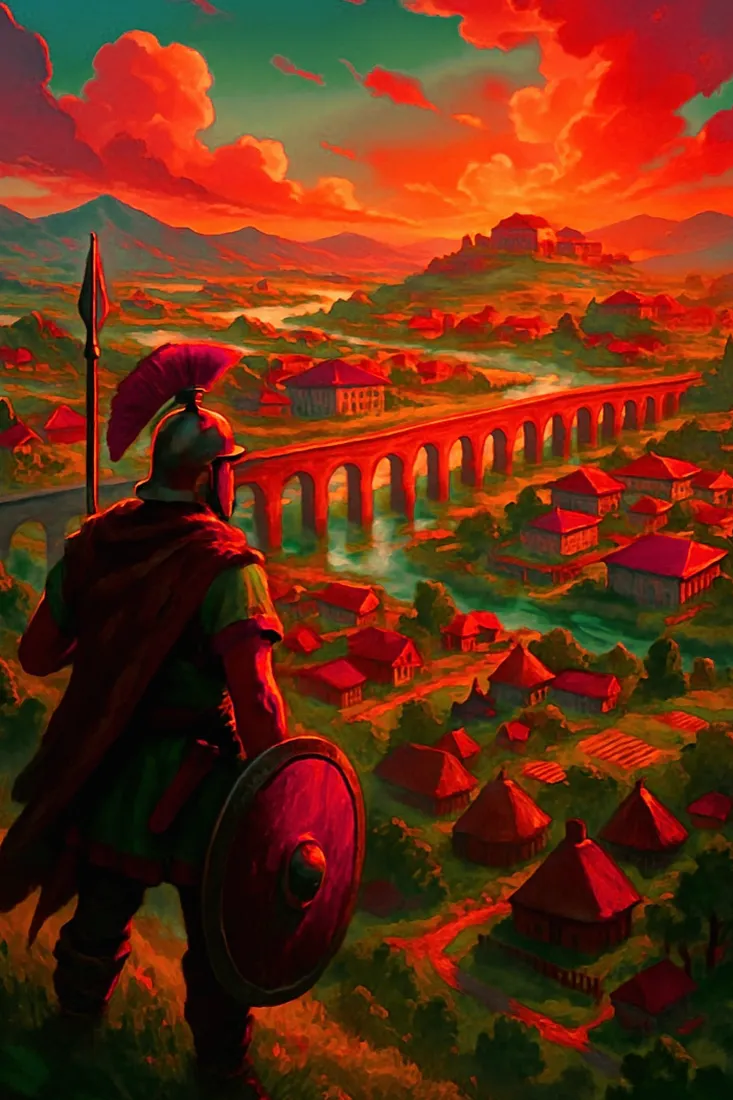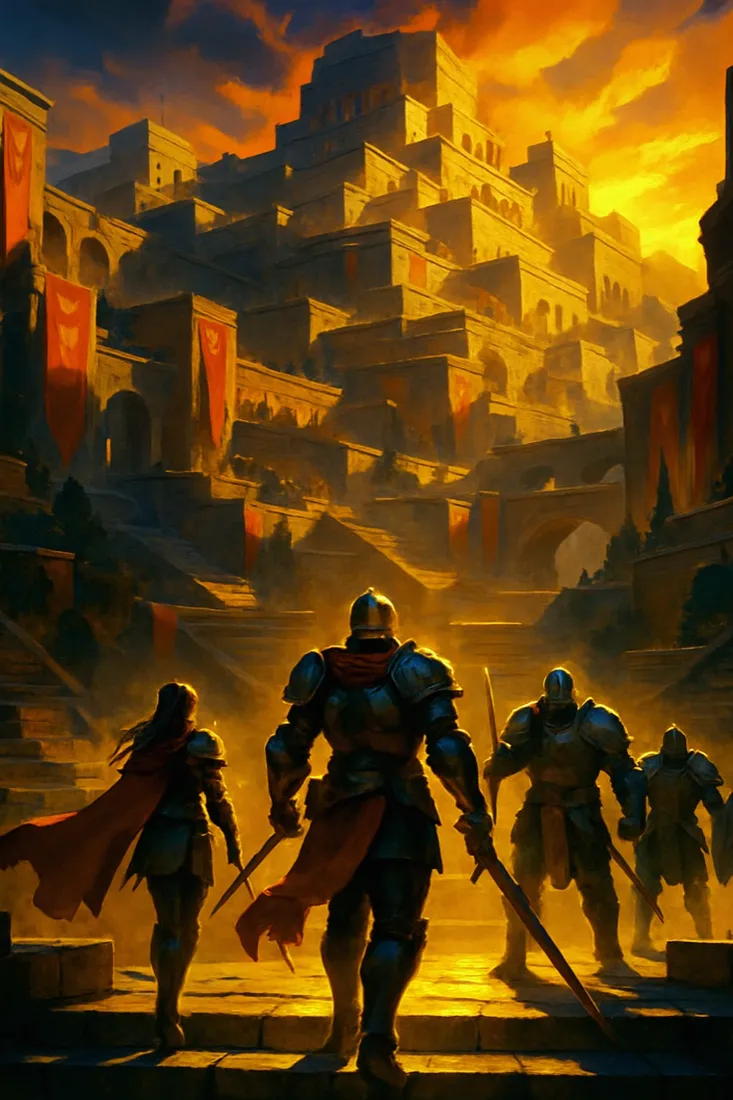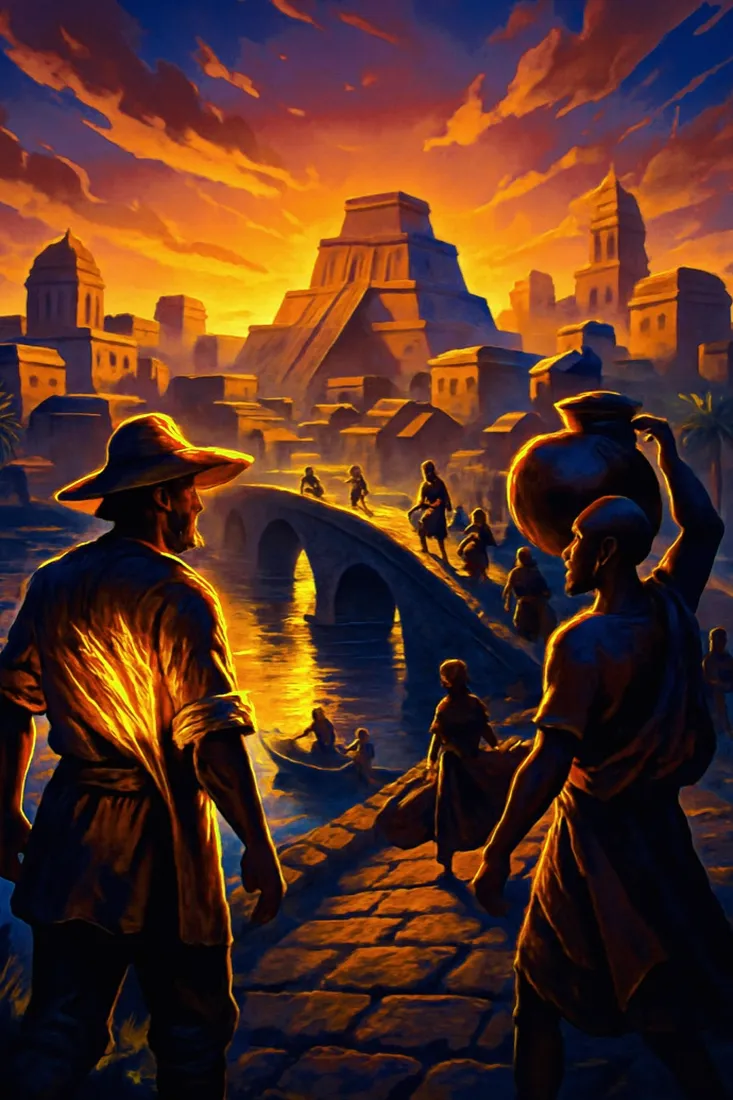
Rise of Cultures begins with a few huts and a fire. Within an hour you have fields, workshops and a little research tree promising bronze, and within a week your town has started to look like somewhere a historian might recognise. The pleasure here is watching that change happen under your own hand, era by era, with the skyline reshaping itself as your culture advances.
InnoGames built it first for phones and later brought it to the browser, and you can feel that heritage in the tidy interface and short sessions. We played it alongside the war maps as a kind of palate cleanser, then found ourselves logging in eagerly to see which building had finished. That is a good sign for a game this calm.
From fire pits to marble colonnades
Progress comes through a research tree that unlocks new buildings, goods and units. Finish enough of an era’s research and you move on: from the Stone Age to the Bronze Age, then through the Minoans and classical Greece towards Rome and, later, eras such as Byzantium, the Franks and medieval Iberia. Each step brings new architecture and new trade goods, and your main buildings visibly grow with you.
It is not a history lesson in the strict sense, but it has a feel for sequence. Bronze Age production looks and plays differently from classical production, and the shift to a new era always comes with a satisfying sense of arrival. We enjoyed the small touches too: buildings that suit their period, units that look like they belong, and famous figures such as Leonidas, Cleopatra and Hannibal turning up in the story.
Keeping the workshops humming
The heart of the game is a set of production chains. Raw materials feed workshops, workshops produce goods, and goods unlock research and buildings. Space is limited, so planning districts sensibly becomes a pleasant puzzle: where to put housing, how to keep producers close together, when to demolish an old building for a newer, better one.
None of it is punishing. Timers rather than crises set the pace, and a badly placed workshop costs you efficiency rather than your city. That makes Rise of Cultures one of the friendliest games on our list for players who like to tinker. We regularly spent a happy ten minutes rearranging a district to squeeze in one more building, then left the city to get on with it.
Short battles between building sessions
When your borders expand you meet resistance, and the game resolves it through compact strategic battles against computer-run armies. You choose units and decide how to commit them, with each era adding troops of its own. They are short, readable fights rather than sprawling campaigns, and they break up the building nicely without demanding quick reactions.
Their main weakness is depth. After a few dozen battles the patterns become familiar, and serious tacticians will want more variety than they find here. But they suit the game’s tone. Battles are a chapter break rather than the main story, and losing one simply sends you back to strengthen your army, which feels about right for a city builder.
Allied cultures, alliances and the free path
Alongside your home city, the game introduces neighbouring cultures, such as Egypt and China, that you trade with and help in order to earn goods you cannot make yourself. It is a smart way to bring in more of the ancient world without overwhelming the main city. You can also join an alliance of other players for shared goals and company.
Rise of Cultures sells premium currency to speed up timers and add convenience, and it is clearly designed around that option. Still, we found the free path perfectly comfortable. Progress is slower without spending, but nothing in the game punishes you for patience, and because there is no rival to raid you, the only pressure comes from your own impatience.
Week one in Rise of Cultures
- Follow the opening quests closely; they teach the production chains faster than experimenting.
- Leave a little space when placing early buildings, because you will want to upgrade and rearrange.
- Keep workshops running before you log off so timers finish while you are away.
- Research steadily towards the Bronze Age; the game opens up noticeably once you arrive.
- Join an alliance once quests mention it, mainly for advice and the friendly chat.
What we love
- Each new era genuinely changes how your city looks and plays.
- Production chains make a satisfying, low-stress planning puzzle.
- Short sessions fit perfectly into a busy day or a tea break.
- Allied cultures bring in Egypt, China and others without clutter.
What grates
- The PvE battles grow repetitive for players who crave tactical depth.
- Timers are clearly tuned with the premium currency in mind.
- Very little competitive tension for players who want a rival to outwit.
Where Rise of Cultures fits a life
Rise of Cultures is for anyone who enjoys a well-kept city and a sense of historical progression without the stress of live rivals. It is ideal for busy players, for younger history fans and for war-map veterans who need something calm between campaigns.
Rise of Cultures: the summing-up
As a history builder, Rise of Cultures is warm, handsome and very easy to live with. Era progression gives it a real sense of journey, production chains reward tidy planning and the short battles add just enough bite. It lacks the tension and depth of the war maps, and timers lean on the premium shop, but as a calm companion for the working week it is excellent.